All works

Pattern As Politics

Exhibition · 2019 · Lisbon, Portugal

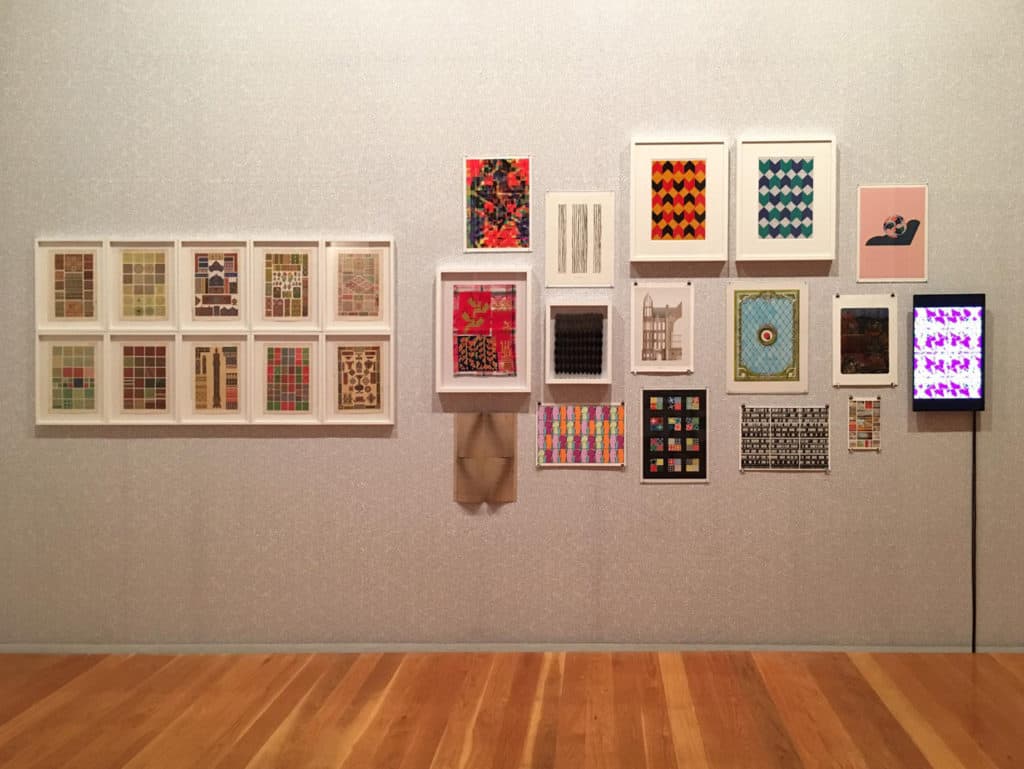
Curated with Priya Khanchandani at Culturgest for the 2019 Lisbon Architecture Triennale’s What is Ornament? Designers and architects were commissioned to reinterpret or decolonise Owen Jones’ The Grammar of Ornament, reconnecting its patterns with cultural histories.

Commissioned artists and designers: Adam Nathaniel Furman, Arthur Mamou-Mani, Faissal El-Malak, Farshid Moussavi Architects, Gustavo Utrabo, Lubna Chowdhary, Lulu Li, Marina Tabassum Architects, Na Kim, OMMX, Pablo Bronstein, Raqs Media Collective, Rana Begum, Sinta Tantra and Sumayya Vally.

Pattern As Politics
Pattern As Politics

Decoding ornament

The works were displayed against the security pattern printed inside envelopes. This background made decoding a visual theme of the exhibition, alongside its reassessment of Jones’ influential classifications.

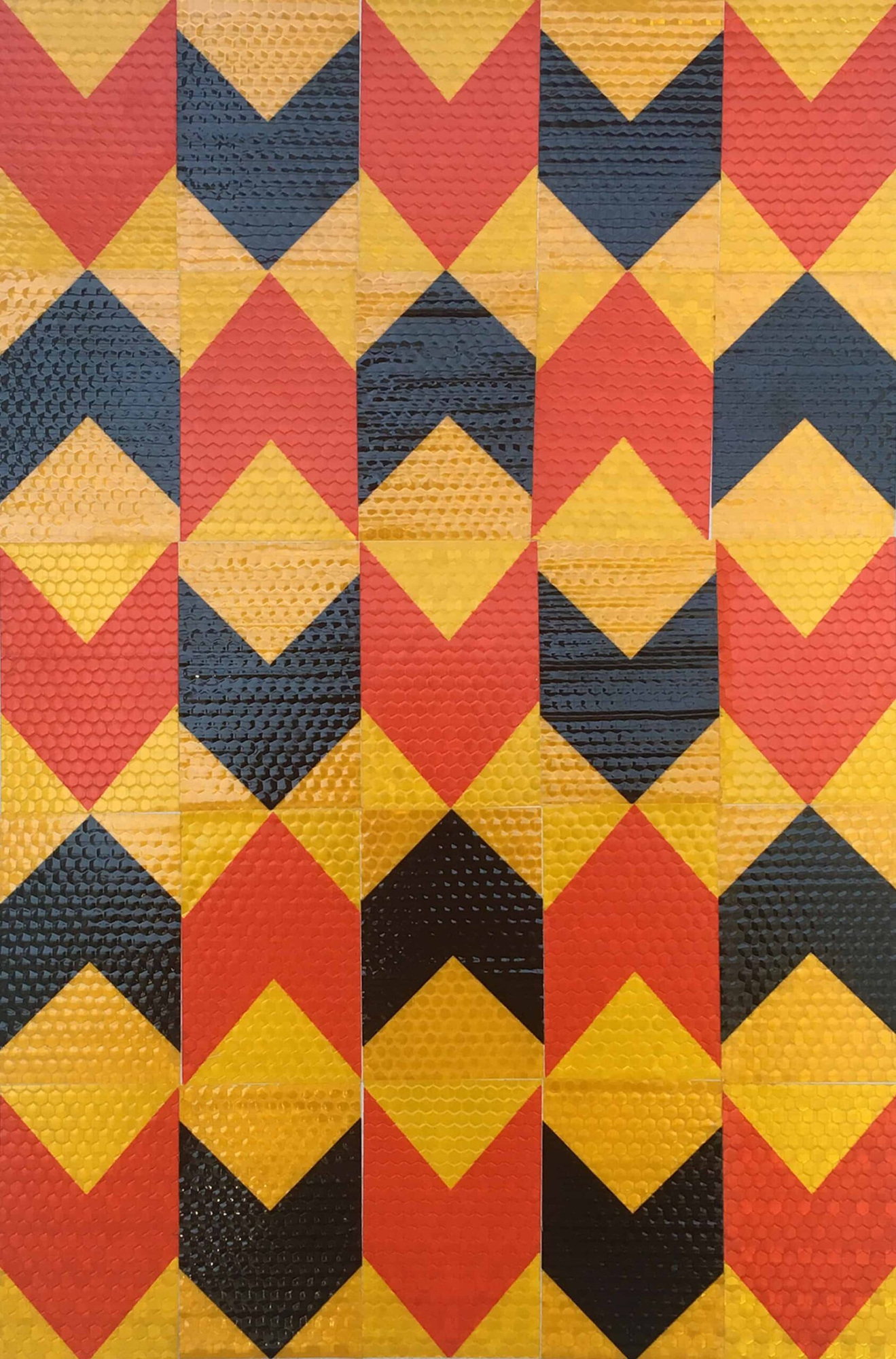
Rana Begum, WP372, 2019

WP372

Rana Begum’s contribution to Pattern As Politics, 2019.

Rana Begum, WP372, 2019

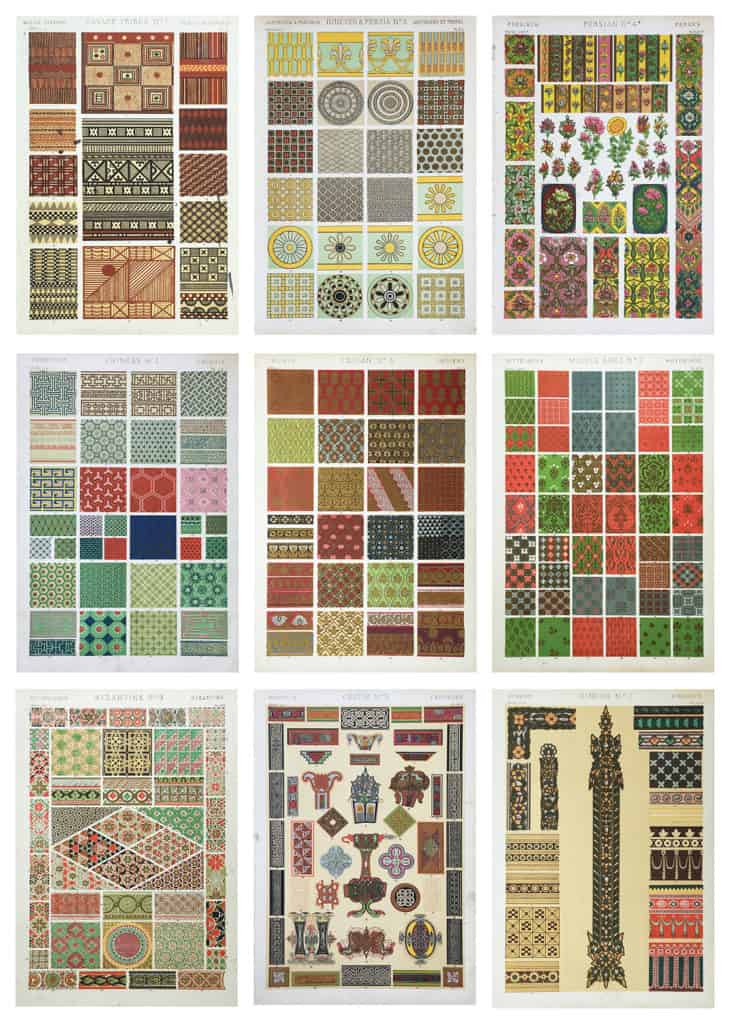
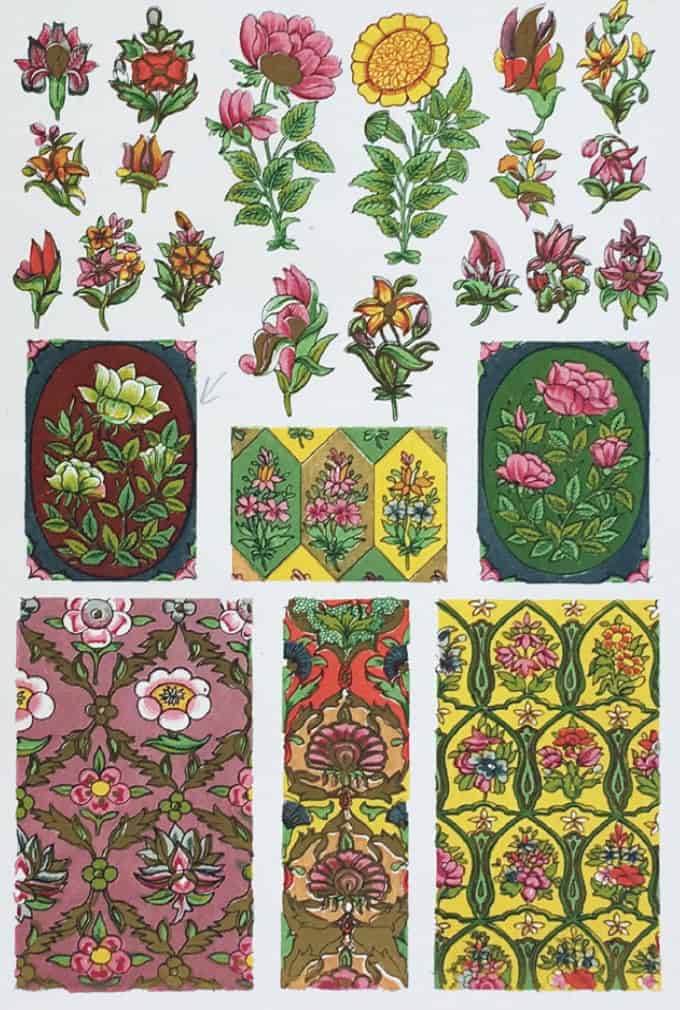
Selection of illustrative plates from Owen Jones’ The Grammar of Ornament

The Grammar of Ornament

Jones’ 1856 book assembled more than 2,000 patterns. The exhibition reconsidered the way its classifications detached ornament from particular cultures and histories.

Owen Jones, The Grammar of Ornament, Selection of illustrative plates, 1856

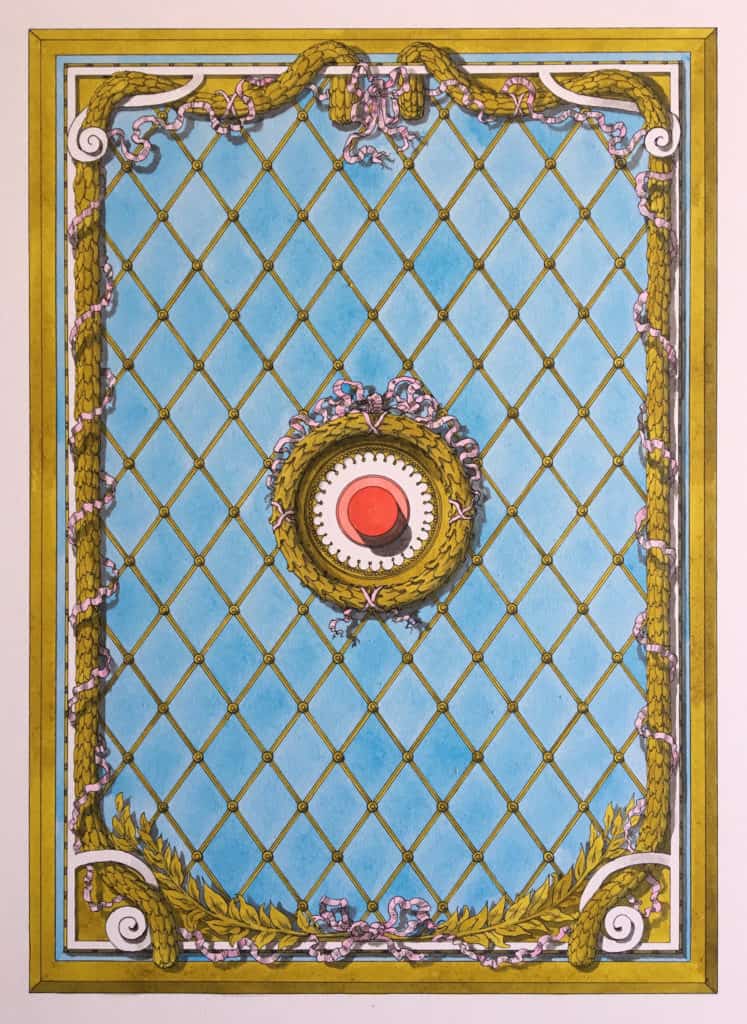
Pablo Bronstein, Panic Button in the Russian Style, 2019

Panic Button in the Russian Style

Pablo Bronstein’s 2019 contribution places a contemporary control within an ornamental composition. It is one of the exhibition’s reinterpretations of Jones’ visual inheritance.

Pablo Bronstein, Panic Button in the Russian Style, 2019

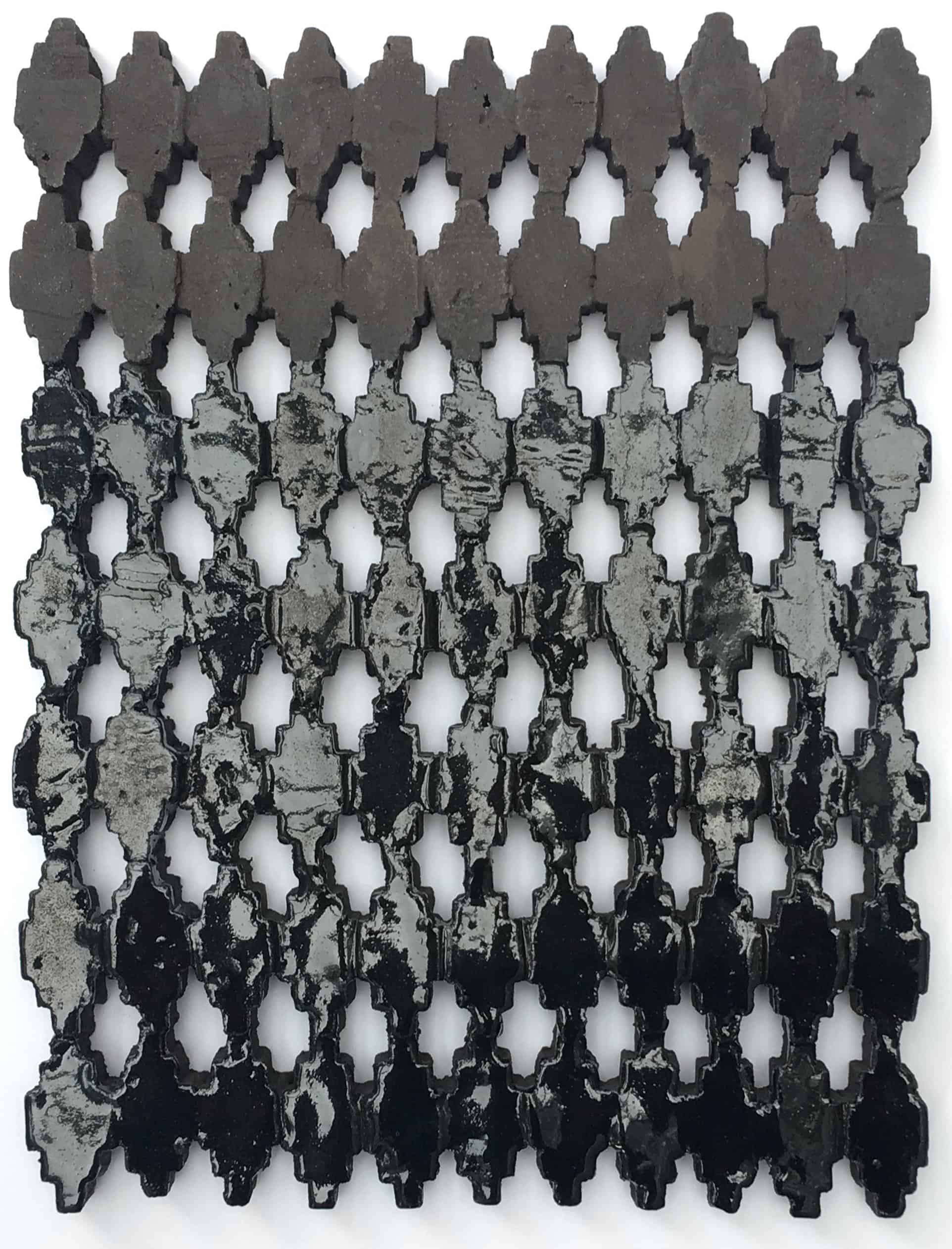
Lubna Chowdhary, Black Wall, 2019

Black Wall

Lubna Chowdhary’s 2019 contribution joins the exhibition’s collective pattern-based composition. The curatorial project brings decorative pleasure back into contact with cultural and political meaning.

Lubna Chowdhary, Black Wall, 2019

For exhibitions, acquisitions and commissions: [email protected].

Opening the files…

Selected works

50 works in 4 files. More to come.

About Sam Jacob

Sam Jacob makes work that explores the strange lives of familiar things. His work draws on the images, objects and fragments of history through which we construct ideas of nature, culture and ourselves.

Across drawings, objects, installations and curatorial projects, he examines how architecture and material things embody social and cultural ideas, how ‘fictions’ become ‘real’, how ideas become things, and how things become ideas.

Collage, copying and processes of reconstruction are central to this practice, which also moves between digital processes and physical materiality. These transformations and translations bring both humour and unease to questions of memory, value and meaning.

Solo exhibitions include Against Nature (2023) and Empire of Ice Cream (2019) at Betts Project, London, and Disappear Here at the RIBA Architecture Gallery (2018). His work has also been exhibited at the Art Institute of Chicago, the V&A, MAK Vienna, the National Museum in Oslo, the Graham Foundation in Chicago and Secession, Vienna, and at Manifesta and the Venice and Chicago architecture biennials.

Curatorial projects include A Clockwork Jerusalem, co-curated with Wouter Vanstiphout for the British Pavilion at the 2014 Venice Architecture Biennale; The Lie of the Land at MK Gallery; and Pattern as Politics, with Priya Khanchandani, at the 2019 Lisbon Architecture Triennale.

Jacob is a columnist for ArtReview, writes Strangeharvest, and is the author of Make It Real: Architecture as Enactment. He is Professor and Dean of the Institute of Architecture at the University of Applied Arts Vienna (Die Angewandte), and directs Sam Jacob Studio, a collaborative architecture and design practice.

For exhibitions, gallery enquiries, acquisitions and commissions, contact [email protected].